Explore the timeless allure of the Arabian Nights in digital form․ This PDF edition compiles classic tales, beautifully illustrated, offering readers instant access to stories of adventure, romance, and wisdom․ Perfect for scholars, students, and casual readers alike․!
1․1 What is Arabian Nights?
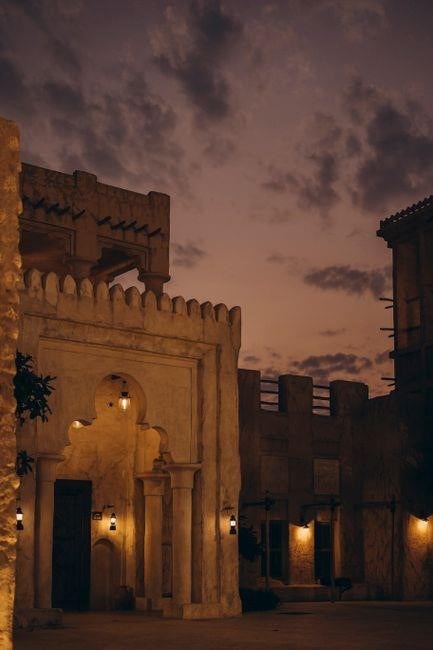
Arabian Nights, commonly known as One Thousand and One Nights, is a legendary anthology of Middle Eastern and South Asian folk tales that has captivated audiences for centuries․ Originating in the 9th‑century Arabic manuscript tradition, the collection was later expanded in Persian, Urdu, and other languages․ Its frame narrative centers on Scheherazade, a clever storyteller who enthralls the king with nightly stories to postpone her execution․ The tales cover a wide spectrum—from adventure and romance to moral parables and supernatural encounters—featuring iconic figures such as Aladdin, Ali Baba, and Sinbad the Sailor․ Scholars note that the stories draw on earlier Indian, Persian, and Greek sources, reflecting a cosmopolitan exchange of ideas․ The Arabic text has since been translated into countless languages, influencing literature, theater, and modern media worldwide․ In the digital age, the Arabian Nights PDF format preserves the original poetic rhythm while offering search, annotation, and cross‑referencing features․ Whether you seek cultural insight, literary analysis, or simply a captivating read, this PDF provides a convenient gateway to a timeless treasure․
The PDF edition preserves, enabling readers to experience the storytelling that accompanied the text for centuries․ Its searchable format supports comparative studies and annotations for use !
1․2 The Evolution of Arabian Nights into PDFs
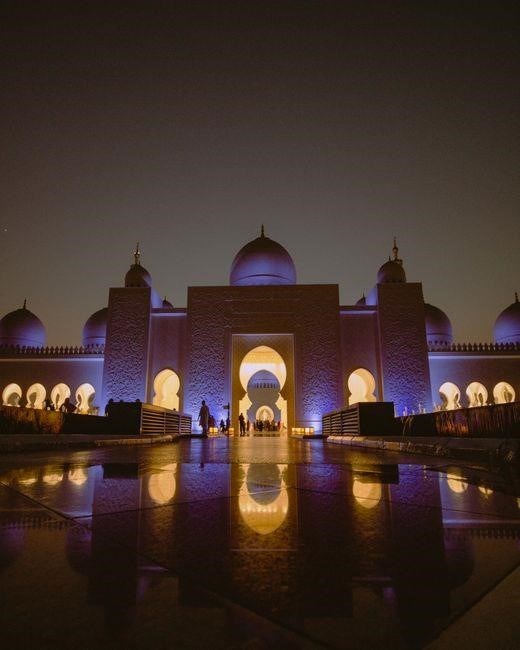
From its earliest manuscript origins to the modern digital era, the Arabian Nights has undergone a remarkable transformation․ Initially preserved on parchment and paper, the stories were transmitted orally and through handwritten copies across the Islamic world․ The 15th‑century Cairo edition, often considered the definitive Arabic text, set the standard for subsequent translations and adaptations․ As printing technology spread, the tales appeared in printed books, making them accessible to a broader audience․ The 19th‑century European translations those by Antoine Galland, introduced Western readers to this narrative tradition, albeit with some editorial liberties․ In the late 20th and early 21st centuries, the rise of computers and the internet revolutionized how we consume literature․ began to digitize classic works, and the format emerged as a versatile, platform‑independent medium․ PDFs preserve the original layout, typography, embedded images, allowing readers to experience the text as it was originally intended․ Moreover, the searchable nature of PDFs facilitates academic research, enabling scholars to locate specific passages quickly․ The widespread availability of high‑resolution scans and OCR‑enabled PDFs has democratized access, ensuring that the timeless tales of Scheherazade reach new generations worldwide․
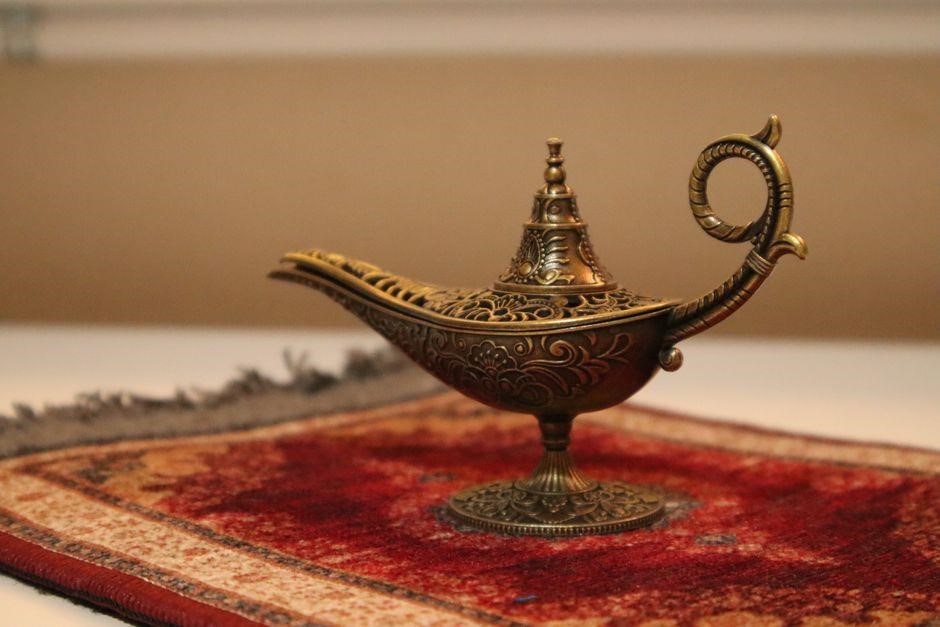
Finding Reliable Sources for Arabian Nights PDF
Find reliable sources for Arabian Nights PDFs by checking official publishers, academic libraries, and public domain sites․ Verify authenticity via ISBNs and publisher details․ Trusted PDFs provide accurate, high‑quality text for research and leisure․ in your library․
2․1 Official Publishers and Rights Holders
When seeking Arabian Nights PDFs, the first step is to locate the original publishers or rights holders․ These entities—often established houses such as Penguin Classics, Oxford University Press, or specialized Middle Eastern presses—own the legal distribution rights for modern translations and editions․ By accessing their official websites or authorized distributors, you can obtain PDFs that are guaranteed to be accurate, properly licensed, and free from unauthorized alterations․ Many publishers offer free PDF downloads for educational use, especially when the work is in the public domain or the translation is licensed under Creative Commons․ Additionally, some publishers provide a digital library subscription that includes a wide range of classic literature, allowing users to download high‑resolution PDFs with embedded metadata․ Always verify the publisher’s credentials by checking for a valid ISBN, a publisher’s logo, and a clear statement of licensing terms․ This ensures that you are not inadvertently downloading pirated copies or versions that may contain errors introduced by unofficial editors․ In academic contexts, referencing the original publisher’s edition is crucial for citation accuracy and scholarly integrity․ Therefore, prioritizing official sources not only protects you from legal risks but also guarantees that the PDF retains the original author’s intent, editorial quality, and cultural nuance inherent in the classic tales of the Arabian Nights․ This approach ensures legal compliance and preserves the integrity of the tales
2․2 Academic and Public Domain Collections
Academic libraries, university repositories, and public‑domain projects offer reliable PDF versions of the Arabian Nights․ Institutions such as the Internet Archive, Project Gutenberg, and the HathiTrust Digital Library host translations that are freely available because their original publication dates predate modern copyright laws․ These collections provide high‑quality scans with searchable text, making them ideal for research and study․ Scholars often cite the specific edition number, publication year, and ISBN to ensure traceability․ Additionally, many universities maintain digital archives of theses and dissertations that reference the Arabian Nights, offering contextual analyses and critical commentary․ When using these resources, it is essential to verify the metadata: check the author attribution, translation notes, and publication details to confirm authenticity․ Public‑domain PDFs are typically accompanied by a license statement indicating that the content is free for use, modification, and distribution․ This transparency allows educators to incorporate the text into lesson plans, create derivative works, and share annotated PDFs with students without legal concerns․ By and public repositories, users access translations—from classic English to multilingual editions—the source’s credibility just and legality․
2․3 Community-Contributed Archives
Community‑contributed archives are dynamic hubs where readers, translators, and digital preservationists collaborate to share Arabian Nights PDFs․ Platforms such as Open Library, Wikisource, and Library Genesis host user‑generated collections that often include rare translations, annotated editions, and multilingual versions․ These archives rely on volunteer efforts to digitize paper copies, transcribe OCR text, and correct formatting errors․ Users can contribute by uploading scans, providing metadata, or creating discussion threads that clarify translation choices and cultural context․ The open‑access nature of these repositories encourages academic collaboration, allowing scholars to cross‑reference different translations and share critical essays․ However, community archives vary in quality control; some entries undergo peer review, while others are purely user‑submitted․ It is advisable to verify the source, check for editorial notes, and compare multiple copies when using these PDFs for research or teaching․ Many community sites also offer version histories, enabling users to track changes and updates․ By engaging with these archives, readers not only access a wealth of material but also participate in a living digital library that evolves with collective input, ensuring that the Arabian Nights remain accessible to future generations․ Enjoy!?

Understanding the Legal and Ethical Aspects
Before downloading, check copyright status․ If the text is public domain, you may share freely․ For modern translations, verify licensing terms or seek permission․ Respect authors’ rights, and avoid distributing unlicensed copies․ Cite sources, respect licensing․ Now!?
3․1 Copyright Status of Arabian Nights

Arabian Nights, also known as One Thousand and One Nights, is a collection of Middle Eastern folk tales that has been transmitted orally for centuries․ The core stories date back to the 9th–10th centuries, making the original material firmly in the public domain․ However, modern translations, adaptations, and editorial compilations are subject to copyright law․ Most contemporary English translations are protected for 70 years after the death of the translator or author, depending on jurisdiction․ Consequently, while the original tales can be freely shared, a specific edition—especially one with new prose, annotations, or illustrations—may still be under copyright․ To determine the legal status of a particular PDF, examine publication date, the translator’s name, and the publisher’s copyright notice․ If the edition was released before 1953 in the United States, it is almost certainly public domain․ For works published after that, check whether the translator or publisher has renewed the copyright․ Additionally, some modern publishers obtain licenses to distribute the stories in digital format, which may impose restrictions on copying or redistribution․ When in doubt, consult the publisher’s terms or seek permission from the rights holder․ Adhering to these guidelines ensures that readers respect intellectual property while enjoying the rich heritage of Arabian Nights․ These practices keep for talesalive!
3․2 Fair Use and Educational Licensing
Fair use provisions allow limited excerpts of copyrighted works for purposes such as criticism, commentary, news reporting, teaching, scholarship, or research․ In educational settings, instructors may incorporate short passages from a modern translation of Arabian Nights into lecture slides, handouts, or discussion guides, provided the excerpts are reasonably brief and directly related to the instructional objectives․ The key factors courts evaluate include the purpose and character of the use, the nature of the copyrighted work, the amount used, and the effect on the market value of the original․ Non‑commercial, transformative uses—like adding original analysis or contextual background—are more likely to be deemed permissible․ However, large‑scale reproductions, such as publishing an entire chapter or the full PDF for distribution, typically exceed the bounds of fair use and would require a license from the rights holder․ Institutions can also explore statutory licenses, such as the U․S․ Copyright Office’s “educational use” provisions, which may offer a more straightforward path for copying and sharing copyrighted texts in a classroom environment, provided the institution follows the prescribed limits and attribution guidelines․ These considerations help ensure responsible sharing while preserving the integrity of the source․ Care․

3․3 Ethical Considerations When Downloading PDFs
When acquiring Arabian Nights PDFs, users should respect intellectual property rights and consider the source’s legitimacy․ Downloading from reputable, licensed distributors ensures authors and translators receive proper compensation․ Unofficial sites may host pirated copies, exposing users to legal risks and malware․ Ethical practice involves verifying that the work is in the public domain or that the downloader has obtained a valid license․ If the text is still under copyright, seeking permission or using a licensed version is essential․ Additionally, users should support creators by purchasing official editions or accessing library services that provide legal access․ Transparency about the origin of the file, citing the publisher, and avoiding distribution of the entire PDF without authorization are key steps toward responsible consumption․ By prioritizing legality and respect for creators, readers help sustain the cultural heritage and encourage continued scholarship․
These guidelines preserve literary integrity and support translators․ Choosing legitimate sources helps sustain a creative ecosystem and safeguards cultural heritage for future generations․
Following these rules safeguards rights and improves the quality of the reading experience! Readers should verify the source before use

Tips for Downloading, Reading, and Managing Arabian Nights PDFs
Choose high‑resolution PDFs for clarity․ Use free readers like SumatraPDF or Adobe Acrobat Reader for annotations․ Tag chapters, bookmark key scenes, and sync across devices․ Organize files in folders, rename consistently, and back up to cloud storage․ Sync with cloud!
4․1 Choosing the Right Format and Quality
When selecting an Arabian Nights PDF, start by assessing the intended use—quick reference, in‑depth study, or casual reading․ For academic work, opt for PDFs with embedded metadata, searchable text, and high DPI (300–600) to preserve fine details in illustrations․ If you prefer a lightweight file for mobile devices, choose a compressed PDF that retains legibility while keeping the file size under 5 MB․ Ensure the document uses a standard PDF/UA compliance to guarantee accessibility across platforms․ Verify that the PDF is generated from a clean source; avoid those with excessive watermarks or DRM restrictions that hinder annotation․ When multiple editions exist, compare the table of contents and page numbering for consistency․ A well‑structured PDF should include bookmarks, hyperlinks, and a searchable index․ Finally, test the file on your preferred reader to confirm that fonts render correctly and that images are not pixelated․ A balanced choice between quality and file size will enhance your reading experience and ease future sharing or archival․ Additionally, consider using a PDF viewer that supports color management to fully appreciate the vivid artwork․ If you plan to print, ensure the PDF is set to CMYK color mode and includes crop marks for professional output․ Remember to check the PDF’s compression level; a moderate setting preserves clarity while keeping the file manageable for sharing and clarity․
4․2 Using PDF Readers and Annotation Tools
Choosing the right reader can transform how you interact with an Arabian Nights PDF․ Lightweight options like SumatraPDF or Foxit Reader offer fast loading and basic annotation—highlight, underline, and sticky notes—ideal for quick notes․ For richer features, Adobe Acrobat Pro DC or Nitro PDF Pro provide advanced markup, text reflow, and the ability to embed comments directly into the PDF․ Mobile readers such as iBooks or Google PDF Viewer support touch gestures, allowing you to swipe through chapters and pin annotations․ When working in a collaborative setting, cloud‑based tools like PDFescape or Kami let multiple users comment in real time, synchronizing changes across devices․ Remember to enable “Searchable Text” if the PDF contains OCR; this allows you to locate specific stories or characters instantly․ For accessibility, use readers that support screen readers and adjustable font sizes․ Exporting annotations to a separate file keeps the original PDF clean while preserving your notes․ Finally, back up annotated PDFs regularly; most readers offer auto‑save and cloud backup options, ensuring your insights are never lost․ By selecting a reader that balances speed, depth, deep and compatibility, you can immerse fully yourself in the tapestry of rich Arabian Nights while keeping your study notes organized and accessible․
4․3 Organizing Your Digital Library

Building a structured digital collection for Arabian Nights PDFs starts with a clear folder hierarchy․ Create a root folder named “Arabian Nights Collection․” Inside, branch by edition type—“Public Domain,” “Modern Translations,” “Illustrated Editions․” Within each, sub‑folders for language: “English,” “Arabic,” “Spanish․” Use consistent naming conventions: Author – Title (Year) – Edition․pdf․ Tagging is essential; embed metadata such as author, translator, publication year, and genre․ Most PDF readers allow adding custom tags, or you can use a dedicated cataloging tool like Calibre or Zotero․ Calibre’s “Add to Library” feature automatically extracts metadata and lets you assign tags, while Zotero’s “PDF Import” creates a bibliographic entry with notes․ For large collections, consider a database approach: a simple spreadsheet with columns for file path, title, author, year, tags, and a short synopsis․ Keep backups on an external drive or cloud storage, and use a version control system like Git for incremental changes․ Finally, schedule regular audits: verify file integrity with checksums, update metadata, and prune duplicates․ A well‑maintained digital library not only saves time but also preserves the cultural heritage embedded in each PDF․