
Rail trails offer unique adventures, detailed in track guides, extending across British Columbia and beyond, boasting over 40,000 miles of curated trails and maps.
What are Rail Trails?
Rail trails are shared-use paths created from former railway corridors, offering a smooth, gentle grade ideal for various activities. These pathways, meticulously documented in comprehensive track guides, provide accessible routes for cyclists, hikers, and walkers alike. Originally conceived by Illinois naturalist May Watts in 1963, inspired by British walking paths, the concept blossomed into a widespread network.
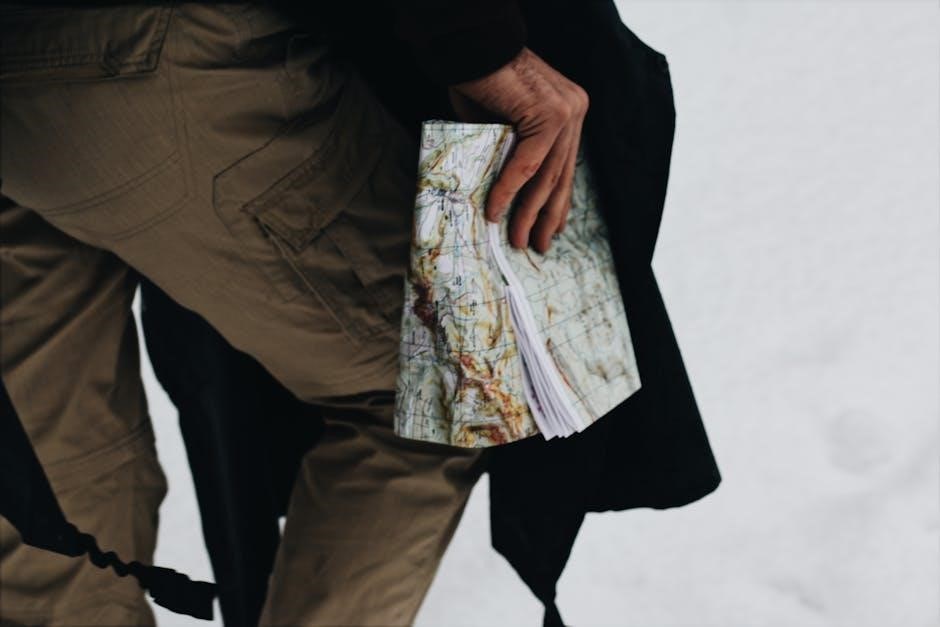
Today, rail trails represent a significant portion of outdoor recreation infrastructure, with resources like TrailLink offering extensive databases and detailed track guides. These guides often include maps, driving directions, and trail descriptions, enhancing the user experience. The appeal lies in their relatively flat terrain and separation from vehicle traffic, making them safe and enjoyable for all ages and abilities. They truly are a unique way to explore the outdoors!
History of Rail Trails
The history of rail trails began in 1963 with May Watts’ insightful letter to the Chicago Tribune, proposing the conversion of abandoned railways into public pathways. This vision sparked a movement, gradually gaining momentum as communities recognized the potential for recreation and connectivity. Early track guides were likely simple maps, evolving over time with increased trail development.
As more rail lines were decommissioned, the idea took hold, leading to the establishment of dedicated rail trail networks. The pandemic further fueled their popularity, with West Virginia experiencing increased usage as people sought outdoor escapes. Today, organizations like TrailLink maintain extensive databases and produce detailed track guides, showcasing the evolution of these trails. These guides now include photos, reviews, and comprehensive trail information, reflecting decades of development and community involvement.
Benefits of Using Rail Trails
Rail trails offer numerous benefits, easily explored with the aid of comprehensive track guides. They provide safe, car-free environments for cycling, walking, and running, promoting physical and mental well-being. The gentle grades, characteristic of former railway lines, make them accessible to users of all fitness levels. Detailed track guides highlight these features, assisting in route selection.
Beyond recreation, rail trails contribute to local economies and preserve historical corridors. They offer unique photography opportunities and encourage exploration of surrounding communities. Modern track guides, like those from Ulysses Travel Guides, provide detailed maps and distances, aiding in Interrail trip planning. Utilizing these resources enhances the experience, allowing adventurers to fully appreciate the diverse landscapes and benefits these trails offer.

Planning Your Rail Trail Adventure
Successful adventures begin with careful planning, utilizing detailed track guides, maps, and route descriptions to navigate the extensive British Columbia rail trail network effectively.
Choosing the Right Rail Trail
Selecting the perfect rail trail requires considering your fitness level and desired experience. Track guides, like those offered by TrailLink and Ulysses Travel Guides, are invaluable resources. These guides provide detailed trail descriptions, including length, surface type (gravel, paved, etc.), and elevation gain.
Beginners might prefer flatter, shorter trails, while experienced cyclists may seek more challenging routes. Consider the scenery – do you prefer forests, mountains, or waterfront views? Track guides often include photos and reviews from other users, offering insights into the trail’s condition and overall appeal.
Don’t overlook accessibility; some trails are more remote than others, impacting access to amenities and emergency services. Utilizing a comprehensive track guide ensures you choose a trail that aligns with your capabilities and preferences, maximizing your enjoyment and safety.
Understanding Trail Maps and Guidebooks
Effective use of track guides, including maps and guidebooks, is crucial for a successful rail trail adventure. These resources aren’t merely navigational tools; they offer vital information about trail conditions, points of interest, and potential hazards. Detailed maps illustrate elevation changes, surface types, and access points, allowing for informed route planning.
Guidebooks often supplement maps with descriptive text, highlighting historical landmarks, scenic overlooks, and available amenities like restrooms and water sources. Pay attention to symbols indicating trail difficulty and any specific regulations. A good track guide will also provide driving directions to trailheads and information on parking.
Familiarize yourself with the map’s legend and scale before setting out. Combining physical track guides with digital mapping apps provides redundancy and enhances your overall experience, ensuring a safe and enjoyable journey.
Essential Gear for Rail Trails
Preparing with the right gear, alongside a reliable track guide, is paramount for a comfortable and safe rail trail experience. Beyond the obvious bicycle and helmet, consider essential items like a repair kit, including a pump, spare tubes, and multi-tool. Hydration is key – carry ample water or a hydration pack, especially on longer stretches.
Appropriate clothing layers are crucial, adapting to changing weather conditions; Sunscreen, sunglasses, and a hat offer protection from the elements. A small first-aid kit is indispensable for minor injuries. Don’t forget to bring a fully charged mobile phone for emergencies, and consider a portable power bank.
Referencing your track guide will help determine if specific gear, like bear spray in certain regions, is advisable. A well-prepared rider, equipped with the essentials and informed by a detailed track guide, is a happy and safe rider.

Top Rail Trails in British Columbia
Explore BC’s premier rail trails, like Hope to Castlegar, using detailed track guides packed with maps, directions, and descriptions for unforgettable adventures.
Hope to Castlegar Trail
The Hope to Castlegar Trail, British Columbia’s longest rail trail, is a premier destination for outdoor enthusiasts, and a comprehensive track guide is essential for planning your journey. These guides provide detailed maps illustrating the trail’s extensive route, pinpointing key landmarks, elevation changes, and access points along the way.
Beyond maps, a good track guide offers crucial driving directions to trailheads, ensuring a smooth start to your adventure. Detailed trail descriptions highlight the unique characteristics of each section, from gentle riverside paths to more challenging forested climbs. Information on nearby services – accommodations, restaurants, and bike shops – is also invaluable.
Many track guides now include user reviews and photos, offering firsthand insights into trail conditions and points of interest. Utilizing these resources allows adventurers to tailor their experience, selecting sections that match their fitness level and preferences. Properly prepared with a track guide, the Hope to Castlegar Trail promises an unforgettable exploration of British Columbia’s stunning landscapes.
Other Notable BC Rail Trails
Beyond the Hope to Castlegar Trail, British Columbia boasts a network of remarkable rail trails, each deserving exploration with the aid of a detailed track guide. These guides are indispensable for navigating the diverse terrain and maximizing your experience. A quality track guide will feature precise maps, showcasing trailheads, junctions, and points of interest, allowing for confident route planning.
Detailed descriptions within the track guide illuminate the unique character of each trail – whether it’s a gentle riverside path or a more challenging ascent. Information regarding trail surfaces, elevation gains, and potential hazards is crucial for safety and preparedness. Furthermore, a comprehensive track guide often includes details on local amenities, such as campsites, restrooms, and nearby towns.
Utilizing a track guide ensures you’re well-equipped to discover the hidden gems and scenic vistas that define BC’s rail trail system, enhancing your adventure and fostering a deeper connection with the natural environment.
Trail Difficulty Levels in BC
British Columbia’s rail trails cater to a wide spectrum of abilities, and a reliable track guide is essential for selecting a route aligned with your fitness level. These guides typically categorize trails based on factors like gradient, surface type, and distance, providing clear indicators of difficulty. Beginner-friendly trails are generally flat, well-maintained gravel paths, ideal for families and casual cyclists, as detailed in the track guide.
Intermediate trails may introduce moderate inclines and varied terrain, requiring a reasonable level of fitness. Advanced trails, as highlighted in a comprehensive track guide, often feature steep climbs, technical sections, and longer distances, demanding significant endurance and skill. A good track guide will also note elevation gains and potential obstacles.
Always consult a track guide before embarking on a rail trail adventure to ensure a safe and enjoyable experience, matching the trail’s demands to your capabilities.

Navigating Rail Trails
Utilize a detailed track guide, alongside TrailLink and cycling apps, for seamless route planning and exploration of British Columbia’s extensive rail trail network.
Using TrailLink and Other Databases
TrailLink stands as the world’s largest trail database and management system, offering an invaluable resource for planning your rail trail adventure. This comprehensive platform provides access to over 40,000 miles of meticulously curated trail maps, detailed guidebook descriptions, vibrant photos, and insightful user reviews – all designed to enhance your experience.
Beyond TrailLink, explore other databases and resources to supplement your planning. A good track guide, whether in print or digital format, can offer focused information on specific regions or trails. These guides often include driving directions, trail descriptions, and local points of interest. Remember to cross-reference information from multiple sources to ensure accuracy and discover hidden gems along the way. Utilizing these tools empowers you to navigate the rail trail network with confidence and create a truly unforgettable journey.
Interrail Pass and Route Planning
For international travelers, an Interrail Pass can unlock extensive rail travel opportunities, potentially connecting to rail trails across Europe and beyond. Careful route planning is crucial to maximize the pass’s value and seamlessly integrate rail travel with your desired rail trail experiences. Utilize two-page maps detailing rail routes covered by your pass, noting any routes requiring reservations in advance – a key component of a successful journey.
A detailed track guide becomes essential when coordinating rail travel with trail access. Identify stations closest to trailheads and plan for onward transportation, such as local buses or bike rentals. Consider the logistics of transporting your bicycle if you plan to bring your own. Remember that while apps assist in mapping routes, the charm of a rail trail lies in its dedicated path, offering a unique and immersive experience.
Cycling Apps for Rail Trails
While the allure of rail trails lies in their simplicity and dedicated pathways, cycling apps can significantly enhance your experience. These apps allow for route mapping, tracking distance and elevation, and discovering points of interest along the way. However, remember that a dedicated track guide often provides curated information specifically tailored to the rail trail, offering insights apps may miss.
Utilize apps to supplement, not replace, traditional resources. Many apps allow users to download offline maps, crucial for areas with limited cell service. Explore features like turn-by-turn navigation and the ability to record your ride data. A track guide, combined with a cycling app, provides a comprehensive toolkit for planning and executing a memorable rail trail adventure, ensuring you’re prepared for any terrain or unexpected turns.

Safety on Rail Trails
Prioritize safety by understanding track guide details regarding trail etiquette, wildlife awareness, and emergency preparedness for a secure and enjoyable rail trail experience.
Trail Etiquette
Respectful behavior enhances everyone’s rail trail experience. A comprehensive track guide will often detail essential etiquette guidelines for users. Always yield to pedestrians and hikers, announcing your approach when cycling. Maintain a slow and controlled speed, especially around blind corners or in areas with high foot traffic.
Keep trails clean by packing out everything you pack in, and respecting the natural environment. Be mindful of noise levels, avoiding loud music or excessive shouting. When encountering other trail users, a friendly greeting goes a long way.
Dogs are often welcome, but should be leashed and owners responsible for waste disposal. Familiarizing yourself with specific trail rules, often found within a track guide, ensures a harmonious experience for all. Remember, shared spaces require shared consideration!
Wildlife Awareness
Rail trails often traverse natural habitats, increasing the potential for wildlife encounters. A good track guide should provide information regarding local fauna and safety precautions. Maintain a safe distance from all animals, never approaching or feeding them. Be particularly cautious during dawn and dusk, when wildlife is most active.
Make noise while hiking or cycling to avoid startling animals. Carry bear spray in bear country and know how to use it – your track guide may offer guidance. Be aware of signs indicating wildlife presence, such as tracks or scat.
Report any aggressive or unusual animal behavior to trail authorities. Store food securely to avoid attracting animals to campsites or picnic areas. Respect wildlife habitats and avoid disturbing vegetation or nesting sites. Responsible behavior protects both you and the animals.
Emergency Preparedness
Even with careful planning, emergencies can occur on rail trails. A comprehensive track guide should detail emergency contact information for the area, including local park rangers and emergency services. Always carry a well-stocked first-aid kit, including supplies for treating common injuries like cuts, blisters, and sprains.
Inform someone of your planned route and estimated return time. Carry a fully charged cell phone, but be aware that coverage can be spotty in remote areas. Consider bringing a portable charger. A whistle can be invaluable for signaling for help.
Familiarize yourself with basic survival skills, such as building a fire and finding shelter. Your track guide might highlight potential hazards along the trail, allowing for proactive preparation. Knowing what to do in an emergency can significantly improve your safety.

Rail Trail Activities Beyond Cycling
A detailed track guide reveals rail trails aren’t just for cyclists; they offer fantastic opportunities for hiking, walking, running, and capturing stunning photography.
Hiking on Rail Trails
Rail trails, as detailed in comprehensive track guides, present exceptional hiking experiences for all skill levels. The generally gentle grades, a legacy of their railway origins, make for comfortable walking, even over longer distances. These paths offer a unique opportunity to immerse oneself in nature, often traversing scenic landscapes inaccessible by other means.
A good track guide will highlight trails suitable for day hikes, as well as those capable of supporting multi-day backpacking trips. Many rail trails feature well-maintained surfaces – often gravel or crushed stone – providing stable footing. Remember to consult your track guide for information on trail length, elevation gain, and potential hazards. Proper footwear, hydration, and awareness of wildlife are crucial for a safe and enjoyable hiking adventure along these converted railway corridors.
Beyond the physical benefits, hiking rail trails provides a connection to history, allowing you to trace the routes of former railways and imagine a bygone era.
Walking and Running
Rail trails, meticulously documented in detailed track guides, are ideally suited for both casual walkers and dedicated runners. The relatively flat terrain, a direct result of their railway past, minimizes strain and maximizes efficiency, making them accessible to a wide range of fitness levels. A reliable track guide will outline trail surfaces, distances, and potential obstacles.
Whether you prefer a leisurely stroll or an invigorating run, rail trails offer a safe and scenic environment, away from vehicular traffic. Many track guides also indicate the availability of amenities like restrooms and water fountains along the route. Runners will appreciate the consistent footing and predictable gradients, perfect for interval training or long-distance efforts.

Consulting a track guide before your outing ensures you’re prepared for the conditions and can fully enjoy the experience of exploring these unique pathways.
Photography Opportunities
Rail trails present exceptional photography opportunities, beautifully detailed within comprehensive track guides. These converted railway lines traverse diverse landscapes, offering stunning vistas and unique perspectives unavailable elsewhere. A good track guide will highlight scenic viewpoints and points of historical interest, perfect for capturing memorable images.
The trails’ linear nature allows photographers to experiment with composition and lighting as the day progresses. From dramatic sunrises to golden hour landscapes, the possibilities are endless. Many track guides include information about local flora and fauna, aiding in wildlife photography.
Don’t forget to consult your track guide for information on accessibility and potential restrictions. Capturing the beauty of rail trails is a rewarding experience, enhanced by careful planning and preparation.

The Future of Rail Trails
Track guides will become increasingly vital as rail trail networks expand, fueled by pandemic-driven interest and community involvement, ensuring sustainable trail maintenance.
Growth of Rail Trail Networks
The expansion of rail trail networks is experiencing significant momentum, driven by a growing appreciation for outdoor recreation and alternative transportation options. This growth is intrinsically linked to the accessibility of information, making comprehensive track guides essential resources for both seasoned adventurers and newcomers.
Currently, networks boast over 40,000 miles of curated trails, and this number is projected to increase substantially as more abandoned railway corridors are repurposed. Detailed track guides, encompassing maps, driving directions, and trail descriptions, are crucial for navigating these expanding systems.
The largest trail database and management system supports this expansion, catering to trail associations, builders, and riders alike. Future development will likely see increased integration of digital track guides with interactive mapping applications, enhancing the user experience and promoting responsible trail usage. These guides will be pivotal in sustaining the positive impact of rail trails.
Impact of the Pandemic on Rail Trail Usage
The COVID-19 pandemic spurred a remarkable surge in rail trail usage, as individuals sought safe, outdoor recreational opportunities. West Virginia, for example, witnessed a substantial increase in activity over the past three years, driven by a need for mental wellbeing. This heightened demand underscored the importance of readily available and detailed track guides.
As people turned to nature, existing track guides experienced increased sales, and demand for updated, digital versions grew. Users relied on these resources to discover new trails and plan socially distanced adventures. The pandemic highlighted the value of comprehensive trail information, including maps, descriptions, and accessibility details.

Even post-pandemic, this trend continues, demonstrating a lasting shift towards outdoor recreation. Accessible track guides remain vital for managing increased trail traffic and ensuring a positive experience for all users, promoting responsible trail stewardship.
Community Involvement and Trail Maintenance
Sustaining vibrant rail trail networks relies heavily on dedicated community involvement and consistent trail maintenance. Local trail associations and volunteer groups play a crucial role in upkeep, ensuring trails remain safe and enjoyable for everyone. Detailed track guides often acknowledge these groups, fostering a sense of ownership and encouraging participation.
These track guides can also serve as valuable communication tools, informing users about volunteer opportunities, upcoming maintenance events, and fundraising initiatives. TrailLink, the world’s largest trail database, supports these efforts by providing a platform for trail associations to manage and promote their trails.
Furthermore, accurate and updated track guides help users report trail issues, contributing to proactive maintenance. By highlighting the importance of community stewardship, these guides empower individuals to become active participants in preserving these valuable recreational resources for future generations.